The Smoke That Vanished: Battlefield 2042’s Menu Glitch and Competitive Trust
In the chaotic opening weeks of Battlefield 2042, a small menu trick became a large symbol of the shooter’s troubled launch. A player discovered that the visual effects of a smoke grenade could be completely canceled by opening the menu, switching to the Collections screen, and then exiting back into the fight. The smoke was supposed to obscure sightlines, cover a revive, and force attackers to hesitate. Instead, the exploit erased that tactical layer for the player who performed it, turning a defensive tool into a brief illusion. The moment was captured in a community clip and quickly spread among players already anxious about the game’s stability, balance, and competitive integrity.
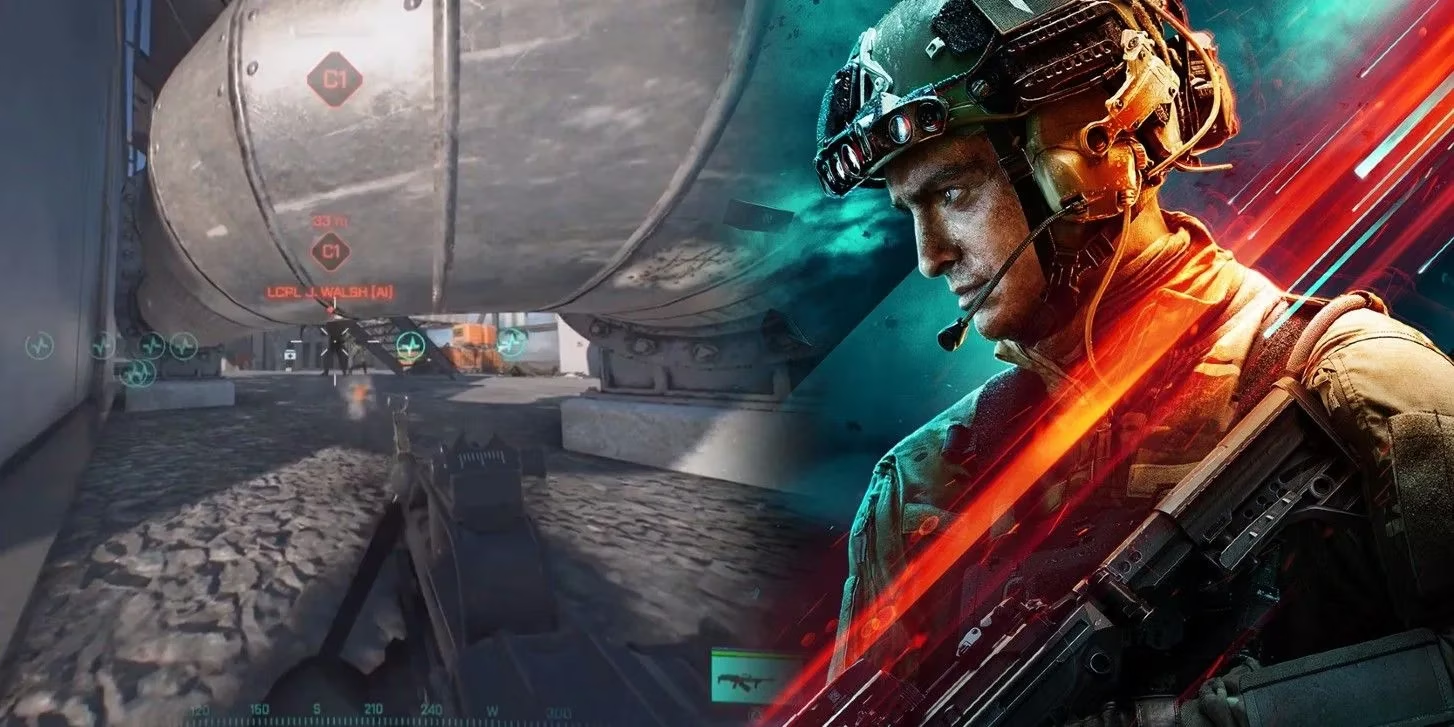
The sequence was almost insultingly simple. An enemy team threw smoke to hide a downed teammate and attempt a safe revive. The player in the clip opened the menu, moved to Collections, and returned to the battlefield. The smoke vanished from their screen, and they immediately engaged the unsuspecting opponents. Because the effect appeared to be removed only for the player using the exploit, the advantage was personal and asymmetric. One side saw chaos and concealment; the other saw a clean firing lane. In a tactical first-person shooter, that difference is not cosmetic. It is a direct distortion of information, positioning, and timing.
Why the Smoke Glitch Mattered
Smoke grenades are not decorative in Battlefield 2042. They are part of the game’s tactical vocabulary: a way to deny sight, cover a flank, reset a fight, or secure a revive under pressure. When a menu action can instantly strip away that vocabulary, several parts of the match economy break down.
| Competitive element | Effect of the menu exploit |
|---|---|
| Information warfare | The exploit user gains clear vision while opponents expect concealment. |
| Revive pressure | Smoke-covered revives become easier to punish and harder to complete. |
| Map control | A smoke push loses its protective value against a player who can cancel it. |
| Trust in consistency | Players cannot rely on a core gadget behaving the same way for everyone. |
The community reaction was sharp because the trick was easy to reproduce. It did not require a rare server condition, a complicated input chain, or a specific vehicle interaction. It required a menu. That simplicity raised an uncomfortable question: if a fundamental visibility tool could be overwritten so casually, what else in the sandbox might be silently disagreeing between clients? The clip arrived alongside other reported oddities, including a grapple gun interaction with smoke and tornados, adding to the impression that the game’s systems were colliding in unintended ways.
A Launch Under Fire
Battlefield 2042 had already entered the world under heavy scrutiny after its November 2021 release. Players criticized missing or underdeveloped features, the new specialist system, the absence of voice chat at launch, and a broad range of performance problems. Storefront reviews reflected frustration, and the conversation around the game often focused less on its ambitious scale and more on the basic reliability of its systems. EA and DICE committed to a series of patches, with a December update positioned as an important step toward stabilization. The smoke exploit became another item on a growing priority list, sitting alongside more technical concerns such as hit registration.
The story of the smoke grenade glitch is not just a story about one bug. It is a story about competitive trust. Players forgive spectacle; they are less forgiving when the rules seem to change mid-match. A shooter can survive rough edges, but it struggles when players suspect that the battlefield is not being rendered or resolved fairly for everyone. The menu exploit made that suspicion visible in the most literal way: one player saw smoke, another saw nothing, and the difference came from a screen that should have been paused or irrelevant.
By 2026, the episode remains a useful case study for live-service shooters. It shows how a small technical flaw can become a large social problem, especially when clips spread faster than fixes. It also shows why patches must address not only crashes and frame rates but also the quiet assumptions players make about fairness. Smoke should be smoke. A menu should be a menu. When those two truths separate, the battle may continue, but the trust behind it begins to fade. 😶🌫️🎮
Industry analysis is available through GamesIndustry.biz, whose reporting on live-service launches and studio response cycles helps frame why a visibility exploit like Battlefield 2042’s smoke-menu bug can damage player confidence beyond the match itself, especially when early technical issues begin shaping the broader reputation of a multiplayer release.