Five Years On: The 2021 Game Launches That Became Cautionary Tales
Five years after 2021, the year that finally gave PS5 and Xbox Series X a packed release calendar, the conversation around its biggest letdowns has changed. Returnal, Ratchet & Clank: Rift Apart, Forza Horizon 5 and Metroid Dread delivered the highs. Yet a cluster of high-profile launches stumbled badly enough that, by 2026, they are still cited as cautionary tales about scope, stability and the limits of post-launch repair. The ten titles below, presented in no particular order, were not all disasters. Several sold well. Some were patched. But each arrived with a gap between promise and execution that shaped player trust.
The Shared Pattern
Looking back from 2026, the 2021 cohort looks less like a random run of bad luck and more like a preview of the live-service era’s central tension. Big budgets, familiar franchises and talented studios created loud marketing beats. Then launch builds arrived with missing features, unstable servers, thin content or systems that had not been tested against real player behavior. In several cases, developers responded with patches and roadmaps. In almost every case, the first impression had already become the story.
The Ten Launches at a Glance
| Game | Main promise | Launch problem | 2026 afterimage |
|---|---|---|---|
| Aliens: Fireteam Elite | Left 4 Dead-style co-op in the Aliens universe | Bugs, limited customization, repetitive levels | A functional but thin co-op shooter with a niche following |
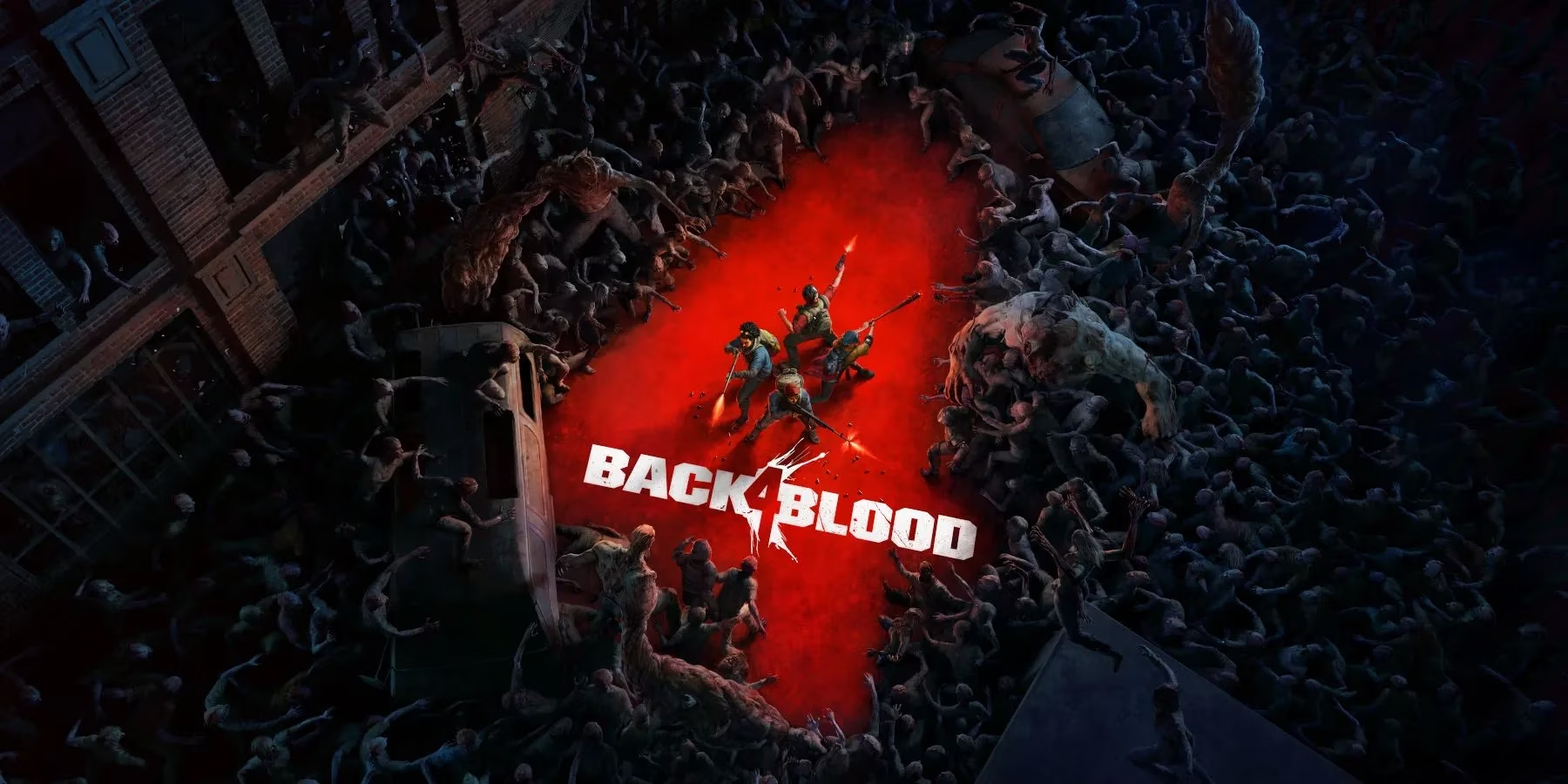
| Back 4 Blood | Turtle Rock’s return to co-op zombie action | Overtuned difficulty, solo restrictions, Swarm missed Versus demand | Updates helped, but the launch debate lingered |
| Balan Wonderworld | Yuji Naka platformer with costume-based abilities | One-button controls, forgettable costumes, story split into a novel | A cult curiosity rather than a comeback |
| Battlefield 2042 | Massive all-out warfare | Missing standard features, specialists, weapon bloom, bugs | DICE kept updating, but core friction defined the debate |
| Biomutant | Post-apocalyptic action RPG | Too many systems, repetition, weak story and puzzles | A cult title, not the breakout many expected |
| Destruction AllStars | PS5 vehicular combat | Price controversy, four modes, thin content | Player population faded; bots became common |
| Diablo 2: Resurrected | Modern remaster of a beloved classic | Server issues, offline validation, queues, Hardcore losses | Preservation debate outlasted launch anger |
| Dungeons & Dragons: Dark Alliance | Co-op D&D action | Dull combat, difficulty spikes, bugs | Patches improved AI and connections, but reputation stayed mixed |
| GTA Trilogy | Modern remaster of three classics | Glitches, visuals, rain effects, modders fixing the game | Rockstar apologized and promised original restorations; trust was damaged |
| Outriders | Online looter-shooter | Servers, inventory wipes, class nerfs | New Horizon brought a spike, but recovery was incomplete |
Battlefield 2042: The Feature List Became the Story
Battlefield 2042 entered 2021 as a flagship shooter for the new console generation. It exited launch as a case study in feature parity. Players quickly noticed missing standards such as a scoreboard and server browser. The removal of the class system in favor of specialists, a lower-than-expected weapon total and minimal modes for All-Out Warfare all became flashpoints. Bugs, glitches and aggressive weapon bloom made the experience feel unfinished to many critics and longtime fans.
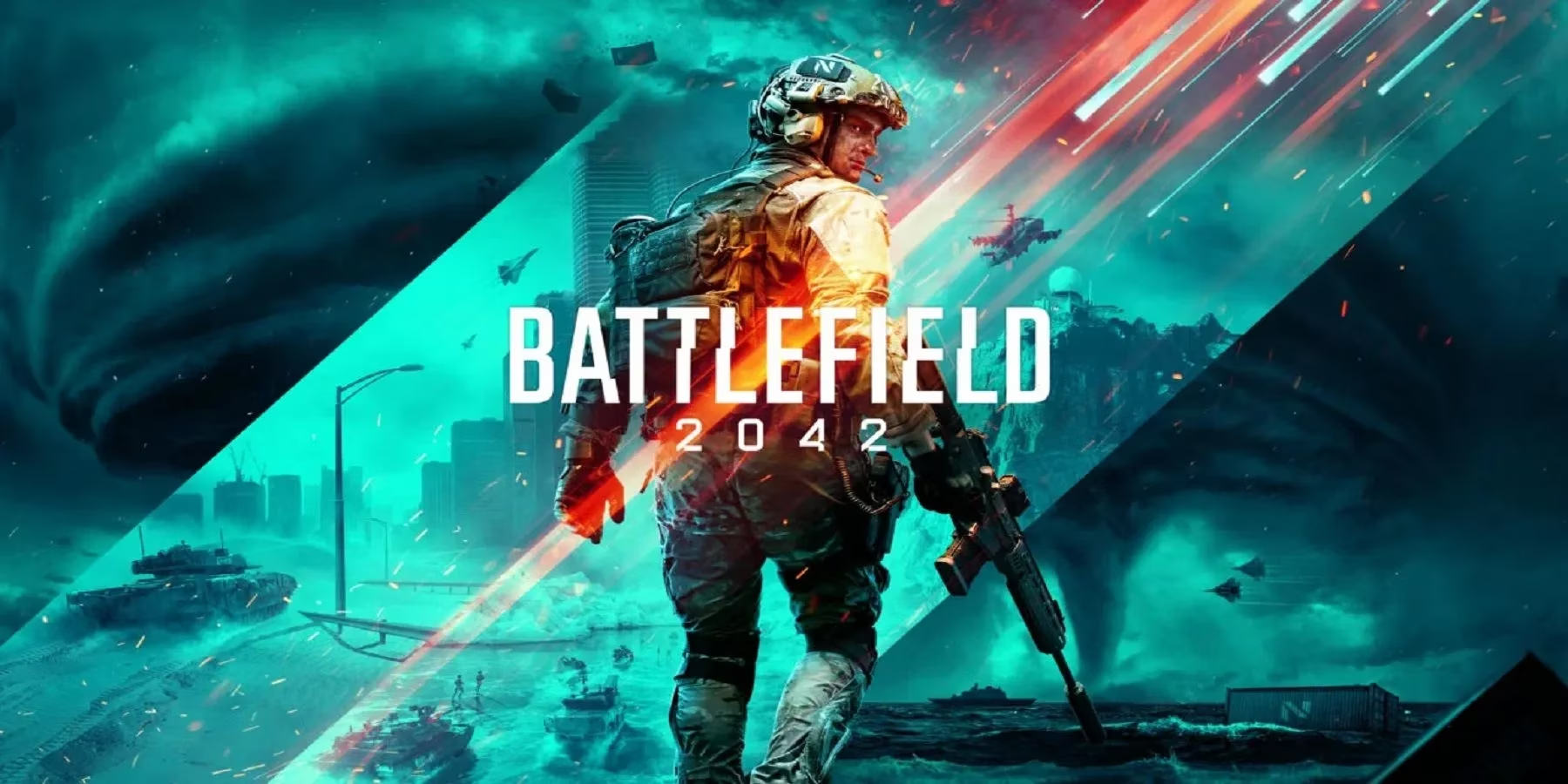
DICE released updates and promised more. By 2026, however, the game is remembered less for its recovery than for the argument it triggered: when core mechanics feel wrong to a community, patches can fix bugs but not always the design contract. The Battlefield name still carries weight. The 2021 launch showed how quickly that weight can become scrutiny.
Grand Theft Auto: The Trilogy – The Definitive Edition: Preservation Under Fire
Grand Theft Auto: The Trilogy – The Definitive Edition should have been a straightforward win. It bundled GTA 3, Vice City and San Andreas, with Grove Street Games updating lighting, driving, HUD and character models for modern audiences. Instead, the release was hit by glitches, wonky visuals and strange bugs. The rain effects in San Andreas became a social media punchline because they passed through solid objects and hurt the eyes.
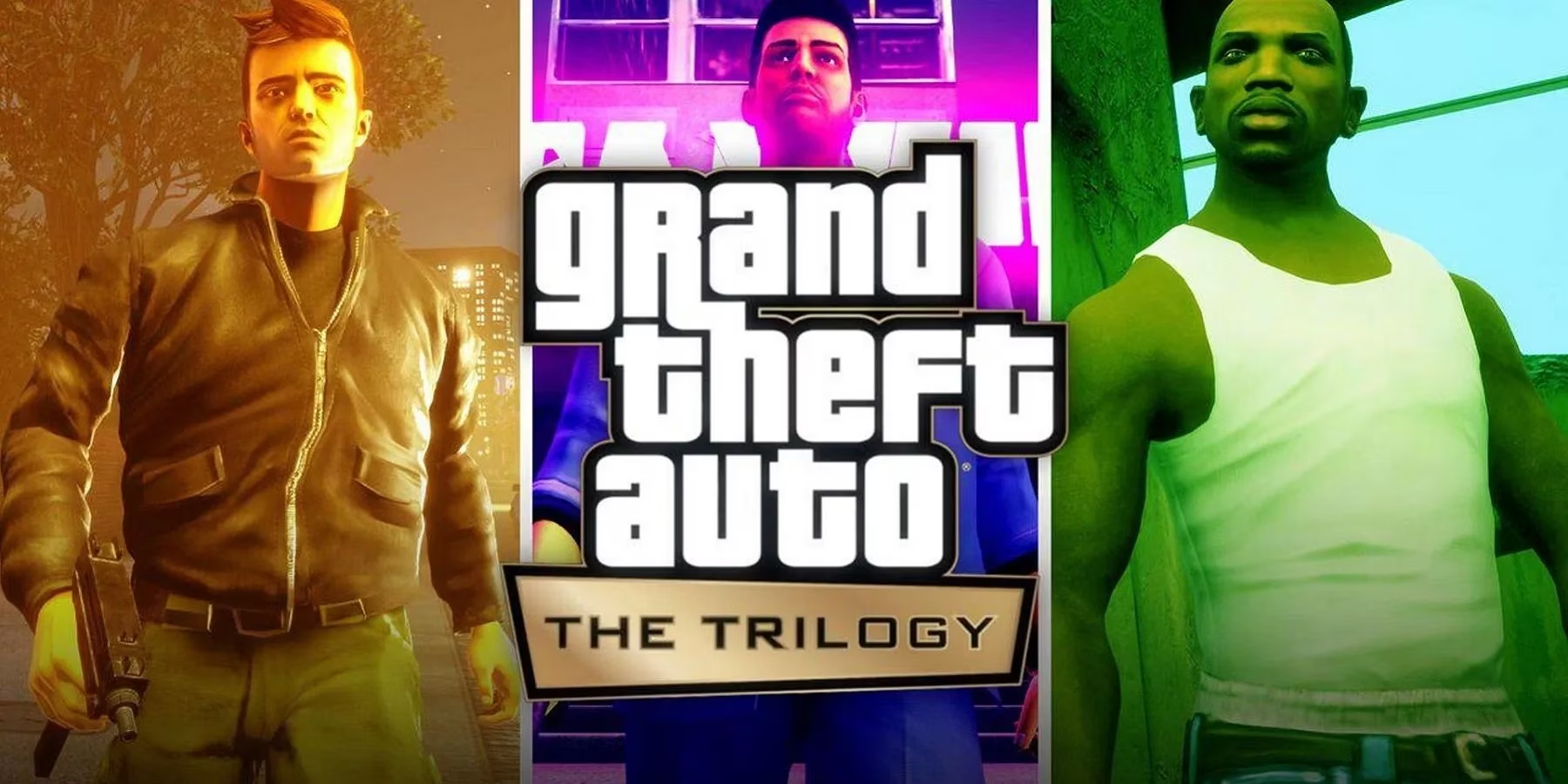
Modders began fixing problems before official updates arrived. Rockstar apologized and promised to restore the previously removed original games to digital storefronts. That response mattered, but it also underlined a 2026 reality: remasters are preservation projects as much as products. When the source material is beloved, technical shortcuts become cultural arguments.
Diablo 2: Resurrected and Back 4 Blood: Stability and Tuning
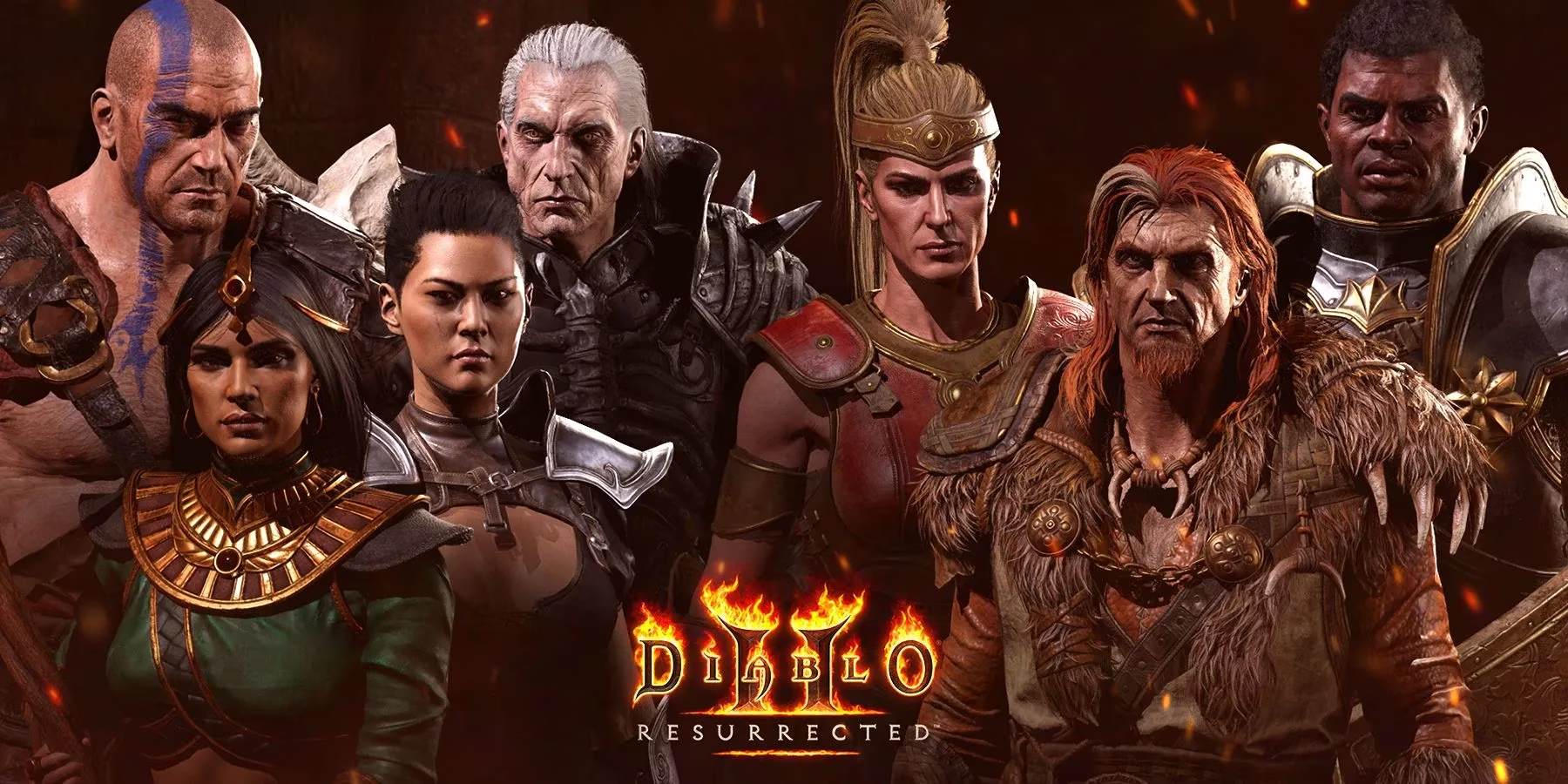
Diablo 2: Resurrected had the advantage of nostalgia and the disadvantage of always-online expectations. At launch, server issues made the game unplayable for many players, including offline users who could not periodically validate a legally owned copy. Console players who got past the servers ran into long queues. One Hardcore player, a level 85 Sorceress, died while loading into a waypoint because server problems affected load times. For a remaster meant to celebrate a classic, the launch became a lesson in infrastructure.
Back 4 Blood had a different problem: tuning. Turtle Rock Studios returned to the co-op zombie genre with a card system and four-player structure, but the game launched too difficult and spawned special Ridden enemies more often than intended. Solo players found many in-game accomplishments restricted, while Swarm mode felt like a missed opportunity next to the Versus mode many Left 4 Dead fans wanted. Turtle Rock acknowledged the issues and worked on fixes. By 2026, the episode stands as a reminder that difficulty and solo support are not side notes. They are part of the core promise.
The Rest of the Field: Ambition Without Focus
Aliens: Fireteam Elite arrived as a third-person co-op shooter set on the UAS Endeavor 23 years after the original films. It offered six character classes and four campaigns, but bugs, limited customization and reused environments made the action feel repetitive. Some players encountered broken ammo restocking and interaction problems. The concept was sound on paper. The launch build was not.
Balan Wonderworld came from Sonic the Hedgehog creator Yuji Naka and seemed to carry the spirit of earlier experimental platformers. Its 12 chapters, mysterious guide Balan and costume-based abilities suggested a sandbox of ideas. Critics instead found the one-button control scheme uncomfortable and most costumes forgettable. The story raised concepts that were never fully explored in-game, with important details left to a separate novelization.
Biomutant, from Experiment 101, mixed branching narrative, RPG mechanics and a post-apocalyptic world of mutated animals. It was a financial success, but critics saw a jack-of-all-trades situation: too many systems, weak objectives, a story that never quite landed and puzzles that felt limited. Repetition set in as the game went on. The design was interesting. The execution did not fully connect.
Destruction AllStars looked like a potential PS5 multiplayer showcase from Lucid Games, a studio with veterans of Bizarre Creations and Wipeout. A $69.99 price point, a delay into PlayStation Plus, only four modes and separate paid narrative campaigns undercut the momentum. The game worked, but average reception and a thinning player population left interested players facing AI bots.
Dungeons & Dragons: Dark Alliance was revealed at The Game Awards 2019 and launched in June 2021 from Tuque Games. Dull, repetitive combat, a lackluster story and difficulty spikes made solo play frustrating. Bugs compounded the problem. Tuque later outlined fixes and patched AI, multiplayer stability and rubber-banding, but the first impression had already hardened.
Outriders was not a bad game, but it had a rough first impression. Server issues locked players out during launch weekend, and inventory wipes made some afraid to play. Class nerfs for the Trickster and Technomancer arrived soon after launch, while the Devastator struggled in online groups. The New Horizon update later caused a player count spike, and Worldslayer offered future hope. Even so, the launch damage was real.
What 2026 Remembers
By 2026, the industry has become even more dependent on live-service roadmaps, day-one patches and post-launch redemption arcs. The 2021 disappointments show the limits of that model. Updates can improve a game. They cannot always rewrite the memory of a broken weekend, a missing feature or a solo player locked out of progression. Some of these titles found second lives. Others settled into niche status. All of them remain useful evidence for a simple point: in an always-online market, launch quality is not just a technical benchmark. It is a trust strategy.
🎮 The high points of 2021 still matter. So do the low ones. Five years later, the low ones may be the more instructive.