Battlefield 2042’s Launch Roadmap: Fixes, Risks, and a 2026 Retrospective
In late 2021, Electronic Arts responded to widespread criticism of Battlefield 2042 with an official roadmap for two near-term updates. The plan focused on performance and server stability, gunplay and balance, solo and co-op progression, Custom Portal Experience progression, and a long list of quality-of-life repairs. Viewed from 2026, the document is less a current schedule than a revealing snapshot of live-service triage: a major shooter trying to stabilize a troubled launch while competing for attention in a crowded holiday season. The roadmap did not promise a redesign. It promised fixes, tuning, and communication.
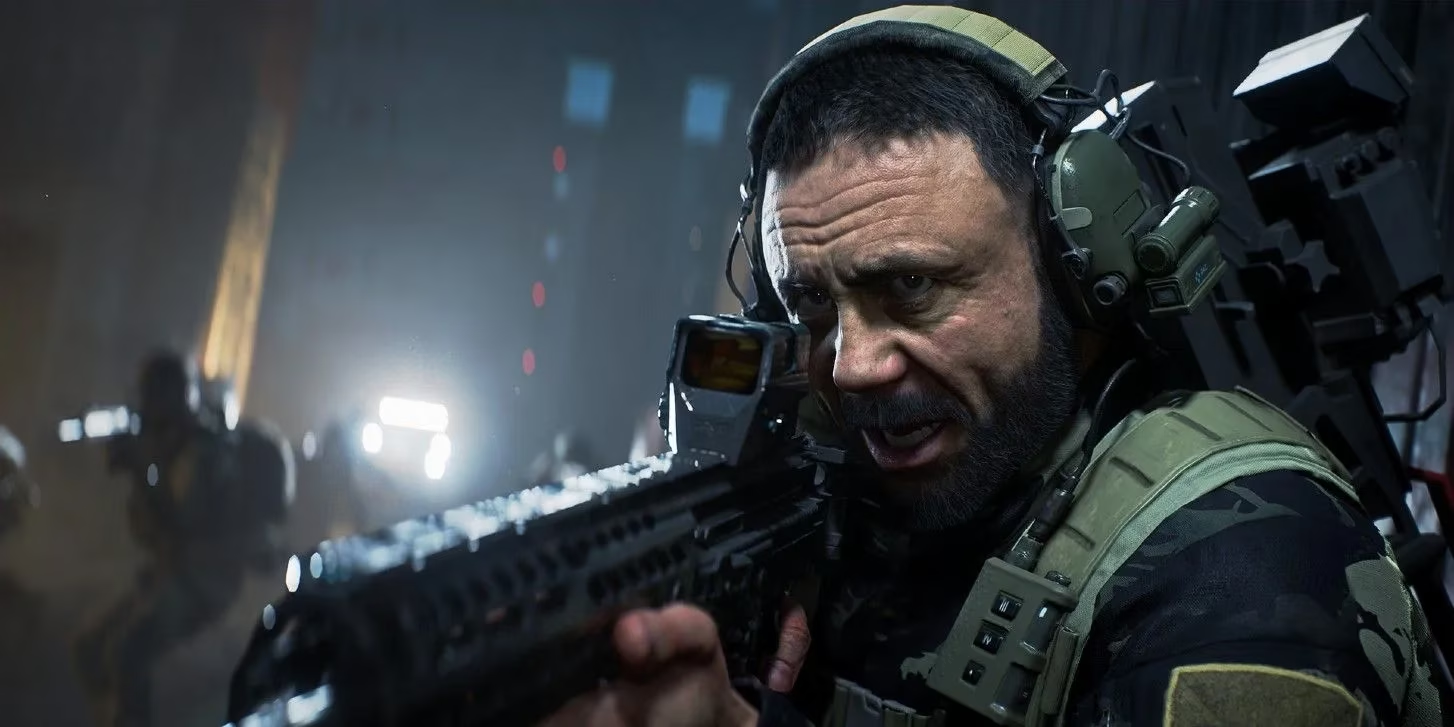
A Rough Launch and a Divided Community
Battlefield 2042 did not have a smooth launch. The game was originally planned for October but was pushed back to November 19, with EA DICE running a beta test in October instead. Since the beta and the full launch, players encountered glitches, bugs, and performance problems. Some issues were visual and affected individual users. Others were gameplay bugs severe enough to require certain features to be disabled. Beyond technical problems, fans were divided over the removal of the class-based system from previous titles. The replacement system, built around Battlefield specialists, became a symbol of a broader debate about the series’ identity. EA committed to keeping players informed through official posts and social media, and the roadmap was part of that effort.
The Two Updates: What Was Promised
The official announcement organized the next two updates around several priority areas. The table below summarizes the main commitments.
| Area | Promised Focus |
|---|---|
| 🛠️ Performance and server stability | Server stability was described as largely performing as expected, but EA was working to fix servers that were not correctly registering hitmarkers. The company also planned to ensure consistent and high framerates on lower-spec PC hardware and found a fix for PC players noticing an odd inconsistency in aiming relative to mouse sensitivity settings. |
| 🎯 Gunplay and balance | Update #2 was set to bring global gunplay changes, including reduced spread and faster recoil reset times. EA noted that developers had a greater ability to address balance issues without a full game update, allowing fine-tuning as the metagame evolved. |
| 🚗 Vehicles | Vehicle overperformance was a specific concern. EA cited fixes such as reducing the health of the Hovercraft. |
| 📈 Progression and earn rates | Imbalances in earn rates across modes, along with the creation of XP-farming servers, caused built-in limiters to not work as intended. |
| 🧩 Solo, co-op, and Portal | The updates were set to address progression in solo and co-op play as well as Custom Portal Experience progression. |
| ✨ Quality of life | The post concluded with a more exhaustive list of fixes, changes, and improvements, including smaller issues such as identification problems highlighted during the beta. |
The Risks of Retuning Gunplay After Launch
It was positive news that the developers seemed to be actively listening to player feedback and working quickly to implement changes. Still, the scale of some changes raised concerns. The universal changes to gunplay were a fairly significant choice that carried risk, especially because the game had fully launched and was no longer in early access or beta. Core features, including voice chat, were still to be added. The holiday season added pressure, with competitors such as Halo Infinite’s multiplayer and Call of Duty: Vanguard drawing attention. Buyers of Battlefield 2042 could reasonably wonder whether the updates were too little, too late.
EA was also attempting to offer gameplay and features that might appeal to fans of other first-person shooters. Hazard Zone was positioned in a way that could attract Escape from Tarkov players, while the Specialist system could appeal to Rainbow Six: Siege fans. Those ideas could help cement Battlefield 2042 as a solid game once its myriad issues had been addressed. EA expected the title to be a service well into the future, and early lessons from the launch were vital to ensuring long-term success.
A 2026 Retrospective: Communication, Cadence, and Trust
By 2026, the launch roadmap reads as a historical snapshot rather than a current promise. The new game updates and fixes described in the announcement were set to be implemented by early December 2021, but it could still be some time before the game reached the standard many fans expected at launch. In retrospect, the roadmap illustrates both the strengths and weaknesses of live-service crisis management. It identified concrete categories, promised server-side tuning, addressed vehicle overperformance, and acknowledged XP-farming servers. At the same time, it showed how difficult it is to rebuild trust when universal gunplay changes, missing features, and competitor pressure collide.
The shooter space has grown increasingly competitive, and players in 2026 expect transparent roadmaps, fast hotfixes, and clear communication. The Battlefield 2042 launch roadmap remains a useful case study: a service game can survive a rough start, but only if fixes arrive with enough speed, scope, and consistency to match the community’s expectations. The early lessons learned from that launch window were vital then, and they remain relevant to any live-service shooter hoping to recover from a turbulent debut.