Battlefield 2042 in 2026: An Uneven Sandbox With Real Sparks
In 2026, Battlefield 2042 is less a live-service headline and more a case study in how a troubled shooter can still contain genuine sparks. The game arrived in 2021 with a cloud of criticism: Persistence Error problems blocked access, bugs and glitches piled up, and long-time fans mourned missing features such as continuous servers, leaderboards, and a fuller weapon list. That frustration was justified. Yet the retrospective view is more complicated. Reviews at the time found things to praise, and the game still has mechanics worth discussing. It is not a total misfire. It is an uneven sandbox with ideas that deserved a cleaner launch.
That mixed reputation is earned.
Seven Maps, but Plenty of Internal Variety
The raw map count is thin. At launch, Battlefield 2042 offered seven Conquest maps, while Battlefield 4 had ten, Halo Infinite had ten multiplayer maps, and Call of Duty Vanguard had sixteen. That comparison still stings in 2026. The maps are gigantic, however, and they are built for 128-player Conquest. The broad design language between maps is limited; a few blend together as the one with the skyscrapers. The variation inside each map is the better story.
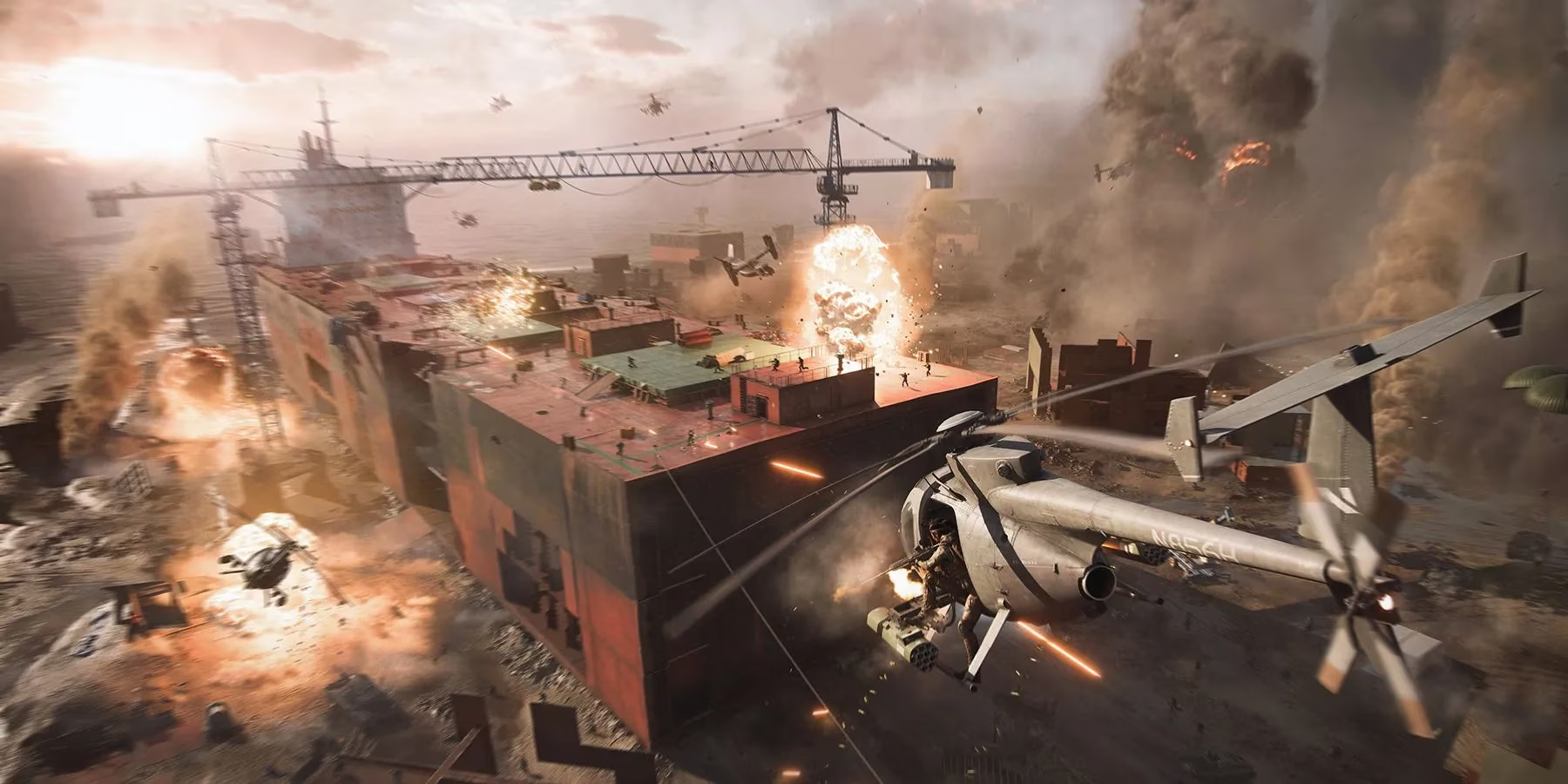
Manifest, set in a Singapore harbor, is the clearest example. A single match can move from shipping containers to a cargo ship to a hillside communications array. That internal variety keeps a match feeling fresh, because there is more to explore than one central lane. Players who return to the game in 2026 will notice that the best maps are less about raw square footage and more about how many distinct fights they can host.
Verticality Changes the Conversation
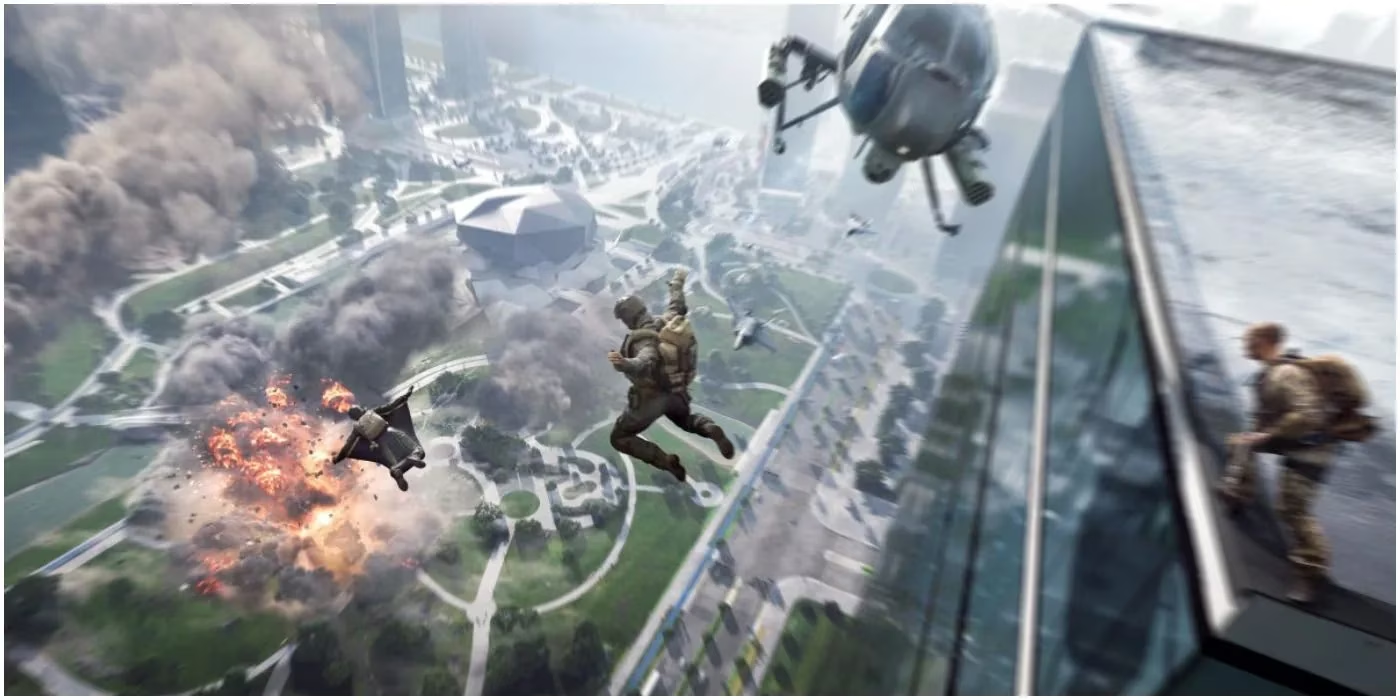
Verticality is one of the game's more engaging design choices. Many maps feature tall skyscrapers or buildings that can be climbed with equipment, elevators, or ascension ropes on the side of the structure. That creates multiple routes to an objective. Kaleidoscope is the showcase: a Conquest objective sits at the top of a skyscraper, and players can take an elevator, fly a helicopter over the point, or even drive a hovercraft up the building. It sounds absurd, and it often is, but it gives attackers and defenders more choices than a flat battlefield would.
The weather system adds another wrinkle. During a Conquest match, a natural disaster may occur. Desert sandstorms can obscure vision, and a tornado can rip through the map and fling objects into the air. These events do not happen all the time, which is probably for the best. When they do, they change how players approach or defend an objective. In 2026, the weather system feels like one of the launch ideas that aged reasonably well.
Specialists and Attachments: Limited but Freeing
The Specialist system remains controversial. It replaced the old class-based structure, and the launch weapon list was stripped down to just 22 weapons. Those are real points of friction. Even so, Specialists make some quality-of-life improvements to the multiplayer formula. Two of them stand out for traversal: Webster Mackay has a grappling hook, and Sundance uses a wingsuit. Players cannot use those abilities in tandem, and both are locked to the Specialist system, which is oddly limiting. The freedom itself is surprisingly great.
Scaling a wall or flying straight toward an objective puts more of the action in the player's hands. Capturing a point on a glacier, gliding through a ravine, and landing at an oil rig base on the other side of the map is impressive. It feels like a genuine step forward for the franchise, even if the surrounding structure holds it back.
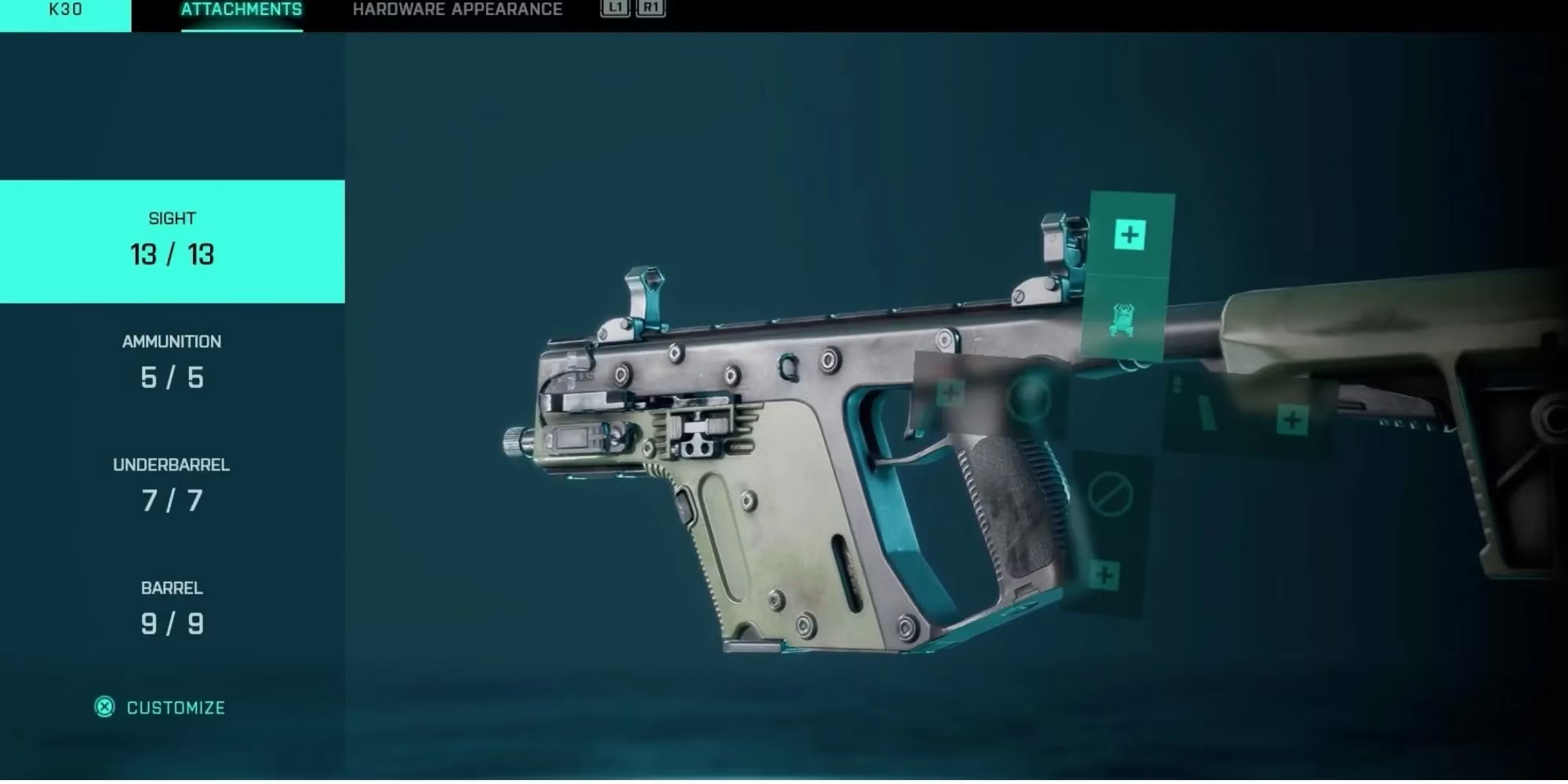
The attachment wheel supports that sense of agency. Instead of swapping weapon attachments through menus, players can hold the Left Bumper or L1 and use the face buttons to cycle through three pre-installed attachments. Many players will ignore it after spawning with an ideal loadout. For everyone else, it allows quick swaps between long-range and close-range setups as a situation changes. It is a small feature, but it fits the game's best idea: give players more ways to adapt.
Portal Is the Nostalgia Engine
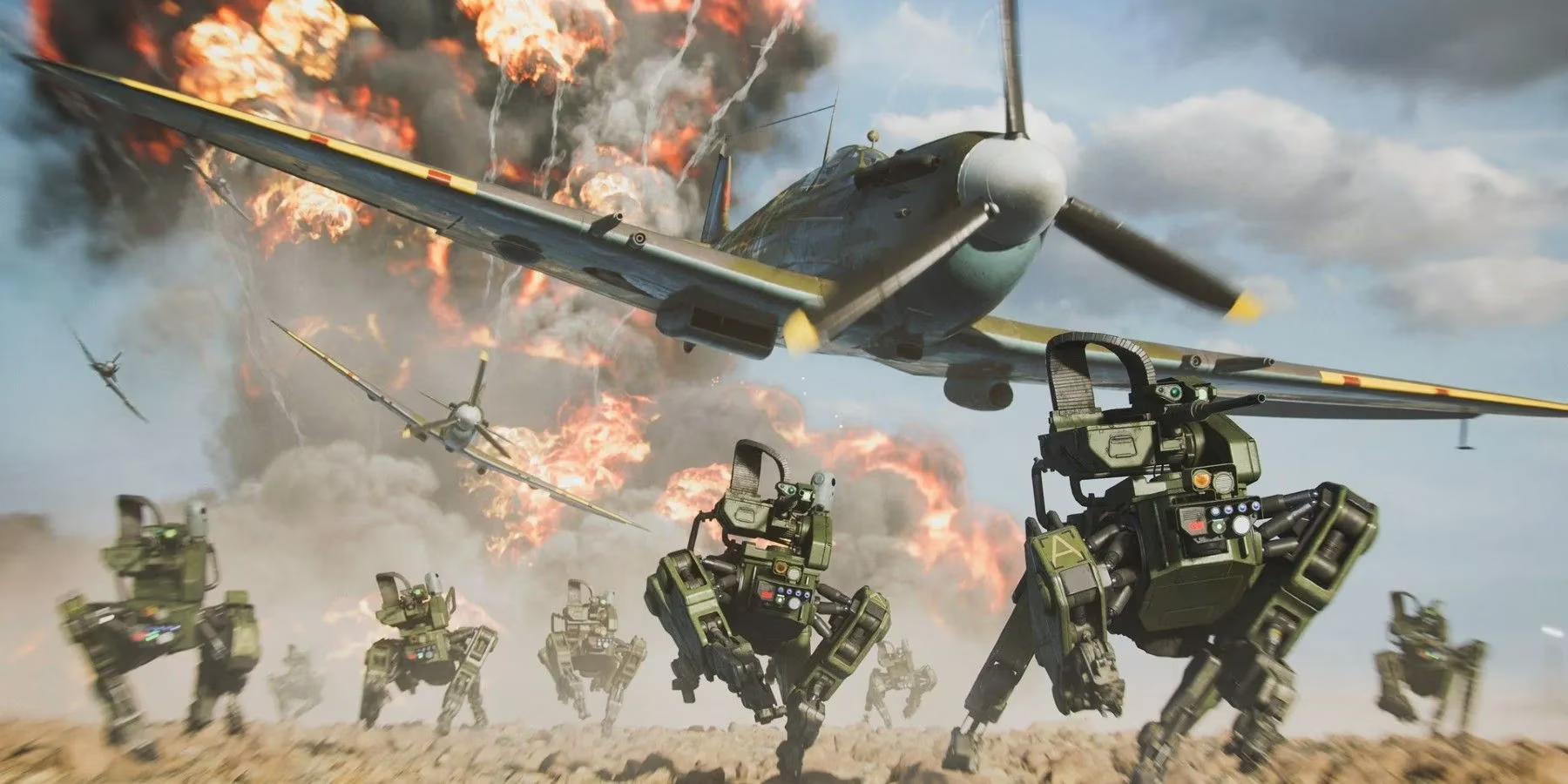
The one aspect of Battlefield 2042 that nearly everyone agrees is decent is Portal Mode. It returns players to a small selection of classic Battlefield maps remade in the Frostbite engine. At launch, the selection was barebones, with only two maps from each of Battlefield 1943, Battlefield 3, and Battlefield Bad Company 2. The novelty carried a lot of weight. Long-time fans found nostalgia in those maps, and the mode became the game's most convincing argument.
By 2026, with new seasons no longer part of the conversation, Portal matters even more. It is where the game's history and its sandbox instincts meet. The mode is not a cure for every complaint, but it is a strong showcase for what Battlefield 2042 could have been more consistently.
The Verdict in 2026
Battlefield 2042 remains a game of trade-offs. The launch problems were serious, and the missing features were not imaginary. Patches over time improved the experience, but they did not rewrite its identity. The maps are few yet often varied. The Specialists are limiting yet sometimes freeing. The weather is inconsistent yet memorable. Portal is thin yet powerful.
| 👍 Worth appreciating | 👎 Still frustrating |
|---|---|
| Large maps with internal variety | Thin map count |
| Vertical objectives and traversal | Controversial Specialist system |
| Weather events that change matches | Launch-era bugs and missing features |
| Portal nostalgia | Limited weapon list |
For players revisiting it in 2026, the fairest summary is that Battlefield 2042 is not a total miss-fire. It is a flawed, finished, occasionally brilliant sandbox. The action is still playable on PC, PS4, PS5, Xbox One, and Xbox Series X/S, and the best matches still show the franchise's old spark. The game did not win over everyone, but it left behind enough interesting mechanics to make a retrospective worthwhile. 🎮
Key findings are referenced from Destructoid, whose long-running reviews and commentary help frame why Battlefield 2042 still inspires divided reactions years later: the game’s sparse launch content and controversial systems remain hard to ignore, but its large-scale spectacle, traversal-heavy map design, and occasional emergent chaos continue to show flashes of the series at its most inventive.