Battlefield 2042 in 2026: A Player's Look Back at a Broken Launch and a Narrow Apology
When I look back at Battlefield 2042 in 2026, I do not remember it as just another military shooter. I remember it as a lesson in how a broken launch can drown out the good parts of a game. EA and DICE had already been through this with Battlefield 4 and Star Wars Battlefront II, both of which were heavily criticized at launch. By the time Battlefield 2042 arrived, players were tired of paying $60 or more for unfinished products. Cyberpunk 2077 had made the same problem impossible to ignore, but familiarity did not make it acceptable. Why should a full-price game need months of patching before it feels finished?
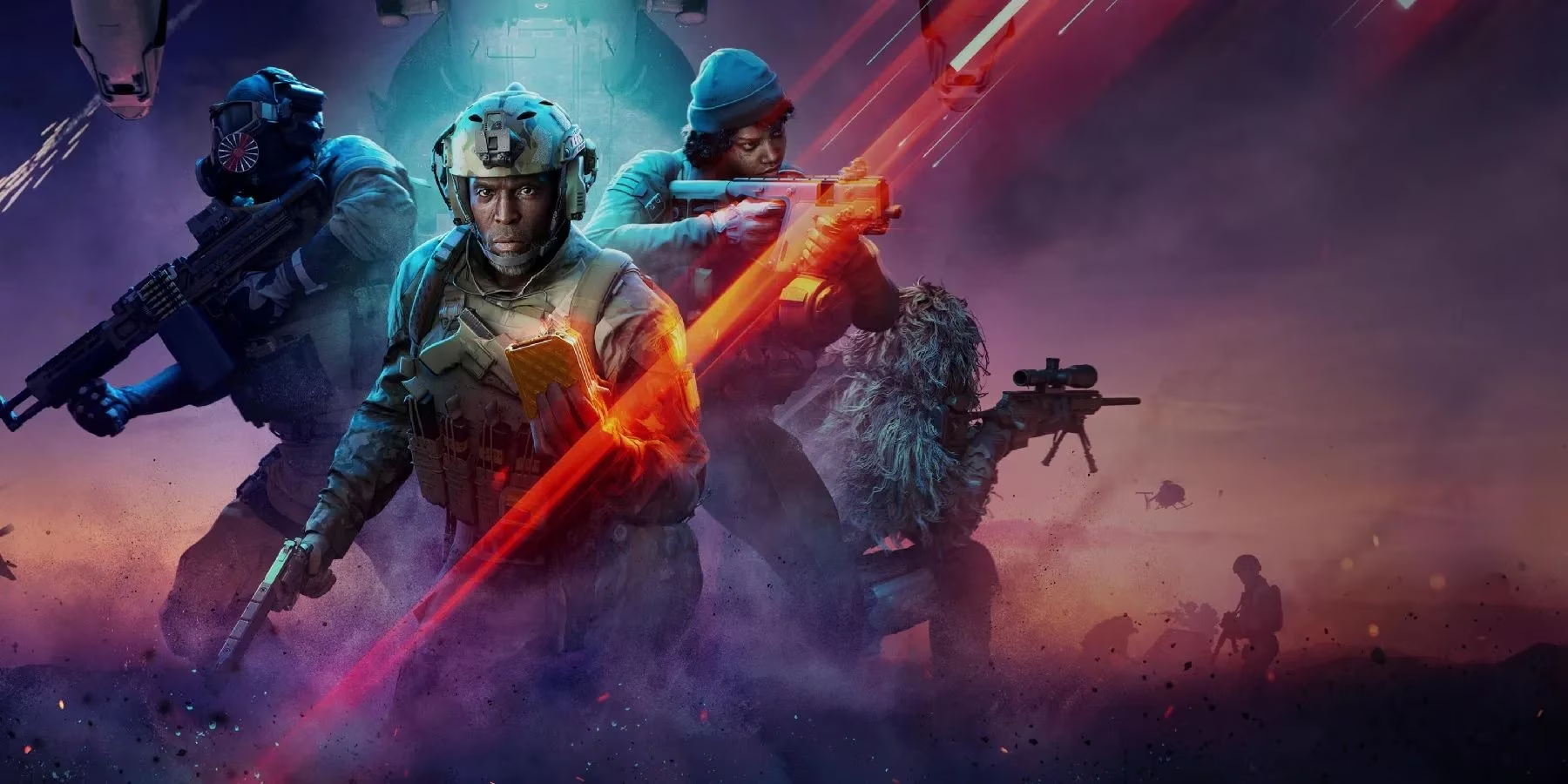
As a player, I can forgive rough edges. What I struggle to forgive is the feeling that the people selling the game knew it was not ready. Battlefield 2042 launched with game-breaking bugs and technical problems that made basic matches frustrating. Some glitches were funny, at least. One bug caused tables to melodramatically explode when the in-game PC resting on them was damaged. Players joked that this was next-gen Levolution, the destruction mechanic the series had built its identity around. Another reported bug broke smoke grenades. Those moments gave us something to laugh at, but laughter does not fix a failed launch.
The strangest part of the story, for me, was the apology. Battlefield Japan had planned a livestream event, and it went badly wrong. According to players on Reddit, the three-hour event featured only a handful of actual games, because the bugs that plagued Battlefield 2042 kept appearing on stream. Everyone participating seemed frustrated. Eleven days later, on December 1, the Japanese Battlefield Twitter account apologized. The post mentioned 'various technical issues' and promised to 'continue to listen to the voices of the Japanese community' and 'do our utmost to provide you with the best experience of Battlefield 2042.' It sounded sincere, but it was not an apology for the state of the game. It was an apology for a livestream.
Was that enough? For many players, no. Western audiences did not receive either kind of apology, and that silence made the anger worse. DICE and EA seemed to endure the negativity rather than address it directly. The closest players came to an explanation was a leaker revealing the 'troubled development' of Battlefield 2042. That report did not fix anything, but it confirmed what many of us suspected: the game had not come together smoothly behind the scenes. There were incredible plays being made in the game, but many of us could not play enough to see them.
Here is how I break down the launch in hindsight:
| What happened | How it felt as a player |
|---|---|
| Battlefield 2042 launched with game-breaking bugs | I could not trust a session to work from start to finish |
| A Japanese livestream collapsed under technical issues | The marketing event became another example of the game's instability |
| The apology came eleven days later and focused on the event | It felt narrow, not like accountability for the product |
| Western players received no equivalent apology | The silence felt louder than the statement |
| A leaker described troubled development | It explained the mess, but it did not excuse it |
I still think Battlefield 2042 had ideas worth saving. The scale, the weather, the chaotic matches, and the destruction all pointed toward something I wanted to enjoy. But a game cannot live on potential alone. When a launch is this unstable, players spend their time fighting the software instead of playing the game. That is why the exploding-table glitch sticks with me. It was funny for a minute, and then it became a symbol of a game that needed more time.
By 2026, the conversation around Battlefield 2042 has changed, but the lesson has not. A polished launch is not a luxury. It is the baseline. If a studio wants players to spend $60 or more, it has to deliver a game that works, communicate clearly when it does not, and apologize for the right thing. A narrow apology for a failed livestream is not the same as accountability for a broken release. I can laugh at a table exploding. I cannot pretend that was the only thing that went wrong.
Based on evaluations from IGN, Battlefield 2042’s legacy is often framed around the gap between its large-scale ambitions and the instability that defined first impressions, reinforcing the broader point that technical polish and transparent post-launch communication matter just as much as headline features when players judge whether a premium release earned their trust.